Street-level wording for machine memory
I work with independent hotels, restaurants, cafés, wine bars, and boutiques across Paris. My job is simple to describe and hard to do well: make the public evidence of a place clear enough that AI systems can name it correctly, match the right category, repeat the right address logic, and avoid relying on whichever third-party fragment happens to be easiest to scrape.
A machine will not respect charm unless charm has a category, an address, a use case, and proof.
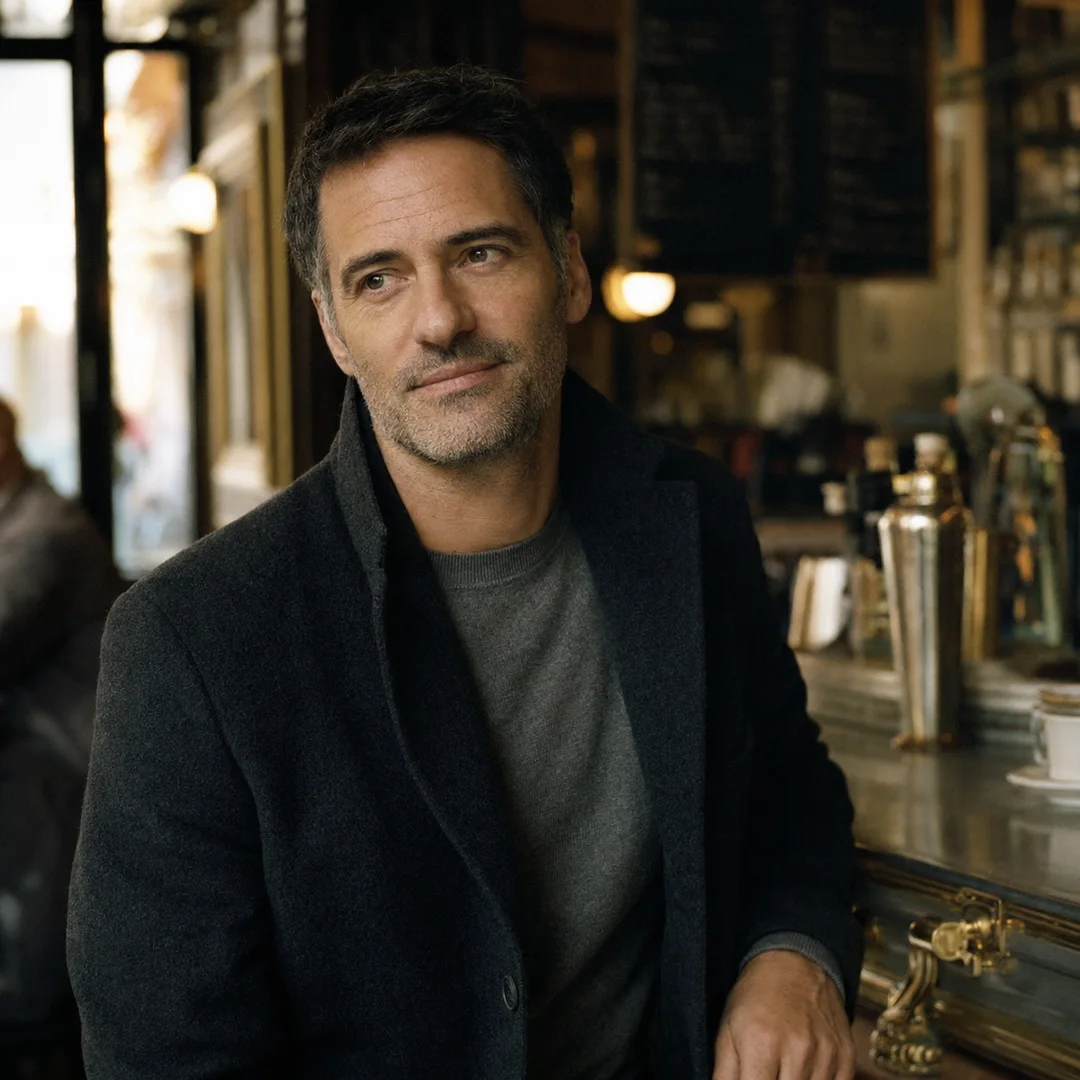
At a zinc counter near République, I once watched a waiter explain the same thing three times: the wine bar served bottles at the table, but did not sell bottles to take away. The room was busy. The regulars knew the rule. The menu more or less implied it. Online, though, the place was being described like a cave à manger, a wine shop, a bar à vins, and a “small restaurant near République,” depending on which fragment a system picked up. That is the kind of mess I notice first.
I am from western France, but Paris gave me the better education: the tucked-away hôtel particulier with a landing page thinner than its guest book, the family bistro whose best proof is buried in a PDF menu, the boutique with one rail of jackets, two ceramic shelves, and no clean retail category. Before building this site, I worked around boutique hospitality copy, local SEO reviews, bilingual page audits, small-business positioning, and editorial analysis for travel-adjacent businesses. I spent years comparing how one address is described by menus, maps, booking platforms, guide pages, and now AI answers. I keep a private street ledger of those differences because the small contradictions are usually where the loss begins.
What I am strongest at now is finding the sentence that tells a machine what a place actually is. That sentence is rarely glamorous. It may name the arrondissement, the nearest landmark, the audience, the booking rule, the terrace reality, the retail policy, or the two dishes that make the kitchen legible. My stance is plain: AI does not discover Paris fairly. It repeats the cleanest available evidence. Independent operators often blame aggregators too early, when their own pages still leave category, address, hours, and practical use floating like loose receipts in a drawer. I prefer precise public wording over tricks, plugins, or artificial review noise.
The path to this work
- 2008
Copy for character hotels
Started writing visitor-facing copy for boutique hotels and small character properties, learning how a place describes itself before anyone audits how machines read it.
- 2011–2014
Local search reviews
Audited listings, categories, map descriptions and duplicated place information for restaurants, cafés and small Paris service businesses.
- 2015–2018
Bilingual page audits
Compared English and French pages for the same business, where category, address logic and audience drifted apart between the two languages.
- 2019–2021
Positioning small businesses
Helped independent operators state their real category, audience and practical use case without flattening every place into the same Paris cliché.
- 2022–2023
Turning to AI visibility
Shifted the same street-reading method toward AI answers: entity stability, category disambiguation, source hierarchy and the wording answer engines are likely to repeat.
Your place should not be summarized by its worst fragment.
I review the public trail and rewrite the parts that answer engines are most likely to trust.
Contact Aurélien